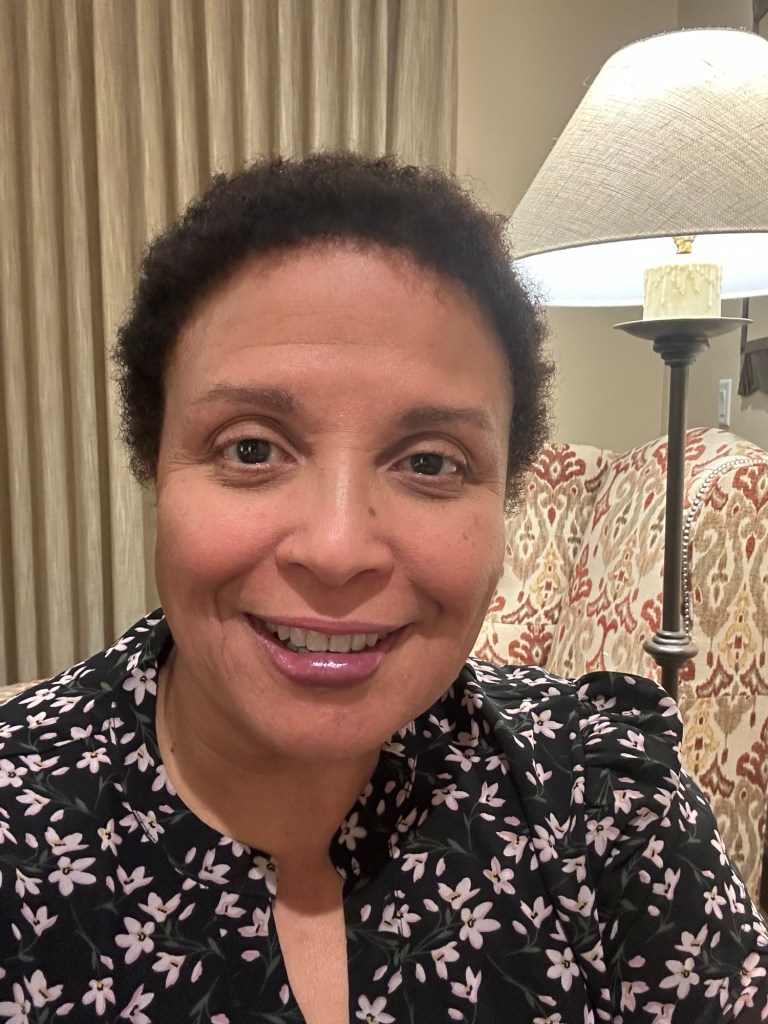
“Small talk may not seem important, but it’s the first step toward building big opportunities in your life.” Robyn Austin
As a public speaker, I’ve found that improving my ability to create small talk is a powerful way to connect with others, both in intimate settings and with larger audiences.
It’s more than just idle chatter—it’s an opportunity to engage, learn, and build rapport with people you want to get to know better.
Small talk happens at so many moments. For example, think about your daily environment. Each interaction is a chance to discover a bit more about the person in front of you.
Everyone you meet has a unique story and perspective, and when you show genuine curiosity, it’s easy to find common ground and connect because you feel authentic.
Small talk is particularly essential for public speakers because it frequently comes into play around presentations. Before taking the stage, someone might strike up a conversation with you, asking about your work or sharing their excitement for the event. After a presentation, people often approach others to share their thoughts, ask questions, or simply connect. Being comfortable with these exchanges not only enhances the experience for them but also builds your confidence as a speaker.
The beauty of small talk is in its simplicity—it doesn’t have to be profound to be impactful. A compliment, a shared observation, or a question about someone’s interests can spark a conversation that enriches your understanding of others. Plus, it’s fun!
By practicing small talk, you’ll become a better communicator, a more attentive listener, and ultimately, a more effective speaker who connects with audiences large and small.
 WriteNow