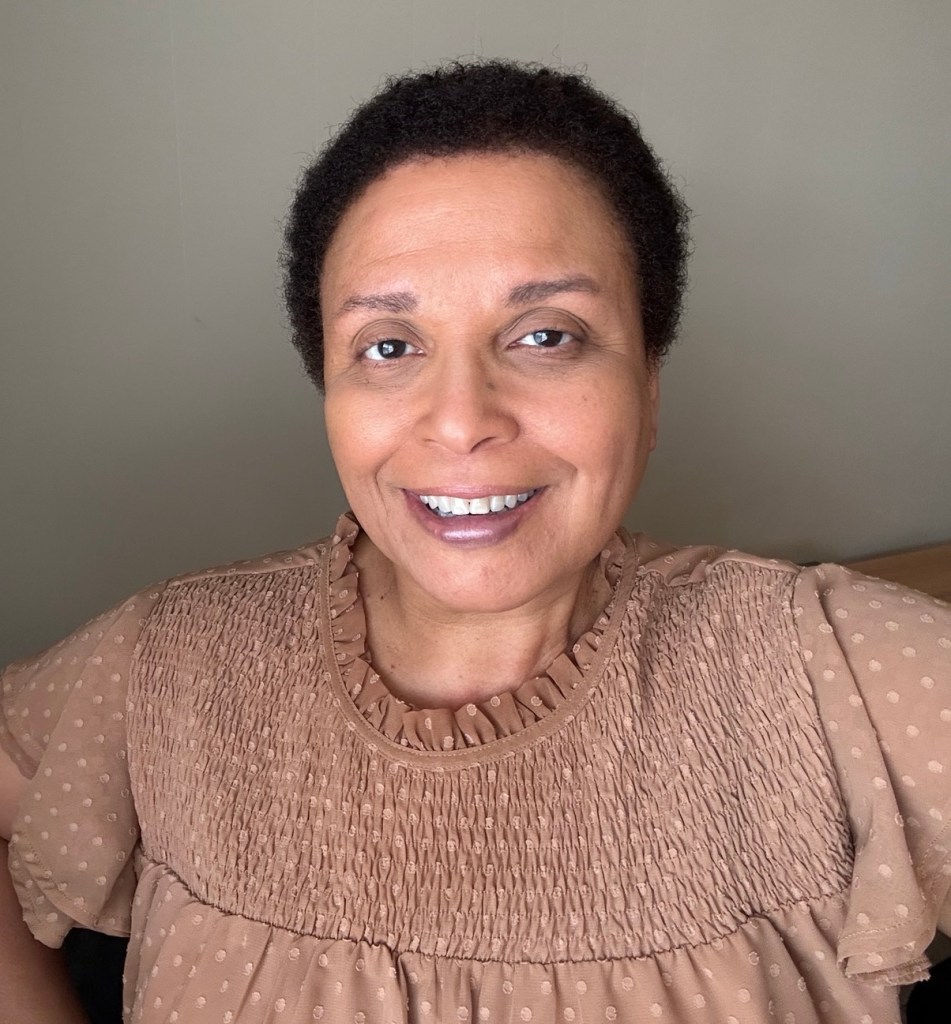
Speak Like a Pro: Your 3-Step Glow-Up List

Have you ever listened to someone speak and wondered, “How do they do it? How come they speak so well? How can I speak like that?”

It’s time to stop worrying about why you don’t sound like them and start focusing on your own growth.

Follow these three steps to transform your public speaking skills:

  •  Identify Your Goals: Write down three things you want to change about how you speak.
  •  Daily Practice: Each day, focus on practicing one of those goals.
  •  Master Your Skills: When you feel ready, move on to the next goal, and finally master the third.

Soon, you’ll have accomplished three new speaking goals that will make you feel more confident.

Remember, public speaking is a skill that can be developed with dedication. And it is fine to be inspired by other speakers, but you also need to put some action into becoming the best speaker you can, so practice, practice, and practice more!

The moment has come for you to start on your speaking journey and watch yourself transform into a speaker that others admire.


Three Tips for Adding Humor to Your  Next Job Interview

Photo by Regal Fierce Media

Interviews are a form of public speaking, and strategically adding in a touch of humor to your next job interview can help you stand out and make a great first impression in front of your audience. Here’s how to do it without going overboard:

1. Know the Company Vibe. Do some research on the organization to see if humor fits with their culture. For example, a funny comment might go over well at a creative company, but it might not be a good idea in a more traditional type of business.

2. Limit Self-Deprecation. It’s okay to laugh at yourself a little but don’t make fun of yourself over and over again during the interview. A bit of humor about needing your morning coffee can make you seem down-to-earth, but don’t make this comment come across as a flaw.

3. Make Your Humor Relevant. Tie your funny story to something in the interview. One example is to share a story about how you used humor to overcome a work challenge. This demonstrates how you can stay positive when you have to put your problem-solving skills to work, and using humor will make the story more relaxed.

Use humor wisely, and impress your future boss. And best of luck with your next interview!

How to warm up for a job interview

Photo courtesy of Robyn Austin

Job interviews are a reality now more than ever, so stay with me and let’s run through how you can feel more confident before an interview using a simple and fun tip.

Have you heard of tongue twisters? A tongue twister is a wacky sentence that is tricky to say because the words have the same sounds. When you try to say the twister fast, your tongue gets all mixed up! Why does this matter?

Tongue twisters teach you to speak more clearly and all this makes your mouth and tongue stronger, think of it like a workout for talking. For example, try saying, “Peter Piper picked a pack of pickled peppers” really fast without messing up—it’s like a wonky challenge for your voice!

Here’s why it’s important to do a pre-interview warmup using tongue twisters:

1. Clearer Enunciation – Tongue twisters force you to pronounce words precisely, helping you avoid mumbling or speaking too fast. This ensures your answers are easily understood.

2. Better Breath Control – Practicing tongue twisters helps regulate your breathing, preventing you from running out of breath mid-sentence. Lack of breath is a nightmare!

3. Increased Confidence – Successfully saying a challenging tongue twister raises your confidence, making you feel more in control during the interview.

4. Improved Articulation – These phrases train your mouth and tongue muscles, making it easier to pronounce tricky words.

5. Reduces Nerves – Focusing on a challenging exercise before an interview can help reduce anxiety and warm up your voice, so you sound more relaxed and natural.

Try saying a few tongue twisters slowly and then gradually increase your speed before your interview. This quick warm-up can make a noticeable difference in how clearly and confidently you speak, which is a game changer during an interview.

If you don’t have time to find your own tongue twisters, visit my course for tongue twisters, breathing exercises, and affirmations for public speakers.

Remember an interview is a presentation and this means you are a public speaker.

Good luck with your next interview!


Public Speaking Tips for Job Seekers in 2025:

Photo courtesy of Robyn Austin

Losing a job is never easy, and navigating the job market in 2025 can feel particularly daunting. But here’s the silver lining: this period of transition is also an opportunity to sharpen your skills and present the best version of yourself.

One critical skill that can make a significant difference in your job hunt is public speaking—yes, you read that right. Think of an interview as a chance to shine just like a public speaking engagement.

During interviews, clear and confident communication is key. Yet, it’s understandable that many of us might not have interviewed in a while, making it all the more important to show confidence in our speaking abilities. At the heart of speaking with confidence is the act of breathing correctly.

Let’s explore three straightforward breathing techniques that can help you stay calm, collected, and articulate during your next interview.

444 Breathing

This method is a fantastic way to reduce anxiety and ground yourself before an interview. Here’s how it works:

  • Inhale through your nose for a count of 4.
  • Hold your breath for a count of 4.
  • Exhale through your mouth for a count of 4.

Repeat this cycle three times. The technique calms your nervous system, setting a steady rhythm for your body and the mind.

Diaphragmatic Breathing

Often referred to as “belly breathing,” this technique ensures that you are using your diaphragm to breathe deeply, which can enhance your vocal strength and clarity.

  • Place one hand on your chest and the other on your abdomen.
  • Inhale deeply through your nose, allowing your abdomen to expand as much as possible while keeping your chest relatively still.
  • Exhale slowly through your mouth.

Practice this technique daily to train your body to breathe more efficiently and support your voice. Try to NOT raise your shoulders when you breathe.

4 x 4 Breathing

This technique helps you to manage your stress and to maintain focus during high-pressure situations, such as interviews.

  • Inhale through your nose for a count of 4.
  • Hold your breath for a count of 4.
  • Exhale through your mouth for a count of 4.
  • Hold your breath for a count of 4.

Repeat for a few minutes. This tip helps regulate your breathing so you can feel like you have enough air to speak.

Remember, the job market in 2025 is not just about your qualifications or experience; it’s also about how well you can communicate your value. By using these simple breathing techniques, you can enhance your public speaking skills, making you more confident and composed during interviews.

So take a deep breath, trust in your abilities, and step forward with confidence into your next interview. You’ve got this!

Embrace Your Nerves: Opening Your Presentation with a Personal Story

Public speaking can be daunting, especially for those who feel extremely anxious. Starting your presentation with a personal story about your own nervousness can break the ice and make it easier to connect with your audience. The benefit of this approach is that it humanizes you, making your audience more empathetic and engaged.

The way to do this is to share a brief story about a time when you felt really, really nervous. For example, you could say:  “A few years ago, as I stood in front of my audience, I found myself trembling and sweating, and I could not say one word.”

By being vulnerable and authentic, you create relatability, showing that nervousness is something that we all experience. Plus, this technique can make you more comfortable, which allows you to transition smoothly into your presentation.

So the next time you feel like your nerves are going to be the worst experience ever, change your mindset, embrace your anxiety and let the audience know how you feel.

Photo by Robyn Austin

How to use eye contact to engage your audience

The spotlight hits, an open sea of faces stares back, and suddenly, your carefully crafted speech seems miles away.

This is the all-too-familiar experience of stage fright, and for many, the fear is amplified by the challenge of connecting with the audience through eye contact.

If you are a public speaker and have ever heard yourself playing with questions such as:

Where do you look?

How do you avoid the awkward, prolonged stare?

Then you have experienced stage fright.

Today’s blog can help you with this public speaking problem. Follow these suggestions, and you can transform a nerve-wracking ordeal into an engaging and impactful public speaking experience.

Option A: Imagine you’re having a series of small conversations with different groups within the larger audience. As you deliver your speech, shift your focus between these conversational groups: the three or four people seated near each other.

This approach creates a more natural and dynamic flow of eye contact, mimicking the way we interact in everyday conversations. It also prevents you from focusing on any single individual, which will reduce the pressure of a direct, and forever gaze.

Option B: Observe the audience’s nonverbal cues. Are they nodding in agreement, squishing their brows in confusion, or smiling with encouragement?

Subtly mirroring these reactions through your own facial expressions and eye contact can create a powerful sense of connection and rapport.

For example, if you see someone nodding, you might briefly hold eye contact with them while emphasizing the point they seem to agree with.

This technique demonstrates that you’re actively engaged with their responses and creates a more interactive and dynamic atmosphere.

Option C: Before you begin speaking, identify a few “anchor points” in the audience—people with those friendly, approachable expressions. These will be your initial points of focus as you start your speech. Once you’ve established a comfortable pace of speaking, look beyond these anchors, briefly connecting with other members of the audience before returning to your original anchors for reassurance. This technique provides a sense of stability and support while also allowing you to engage with a wider range of listeners.

Option D: Just as a conversation isn’t continuous and never-changing, your eye contact during a speech should also vary in duration and intensity.

For key points or impactful statements, hold eye contact slightly longer and with more intensity to emphasize the message.

For less important information, a brief gaze is sufficient. This variation keeps the audience engaged and prevents your eye contact from becoming boring or too much.

Let’s wrap this up. It’s impossible to make direct eye contact with every single person in the audience, and that’s perfectly okay.

Don’t strive for perfection; instead, focus on creating genuine moments of connection. If you momentarily lose your train of thought while making eye contact, don’t panic. Simply pause, gather your thoughts, and then re-engage with the audience.

Embracing these small changes makes you appear more human and relatable, which can actually strengthen your connection with the listeners, and that is what makes you an unforgettable public speaker!

Photo by Robyn Austin

Small talk: the gateway to making genuine connections


“Small talk may not seem important, but it’s the first step toward building big opportunities in your life.” Robyn Austin

As a public speaker, I’ve found that improving my ability to create small talk is a powerful way to connect with others, both in intimate settings and with larger audiences.

It’s more than just idle chatter—it’s an opportunity to engage, learn, and build rapport with people you want to get to know better.

Small talk happens at so many moments. For example, think about your daily environment. Each interaction is a chance to discover a bit more about the person in front of you.

Everyone you meet has a unique story and perspective, and when you show genuine curiosity, it’s easy to find common ground and connect because you feel authentic.

Small talk is particularly essential for public speakers because it frequently comes into play around presentations. Before taking the stage, someone might strike up a conversation with you, asking about your work or sharing their excitement for the event. After a presentation, people often approach others to share their thoughts, ask questions, or simply connect. Being comfortable with these exchanges not only enhances the experience for them but also builds your confidence as a speaker.

The beauty of small talk is in its simplicity—it doesn’t have to be profound to be impactful. A compliment, a shared observation, or a question about someone’s interests can spark a conversation that enriches your understanding of others. Plus, it’s fun!

By practicing small talk, you’ll become a better communicator, a more attentive listener, and ultimately, a more effective speaker who connects with audiences large and small.

My speaking place: what is it like?

Exploring your speaking space before a presentation is one of the most important things you can do!

It’s not just about logistics—it’s about getting comfortable and building your confidence before you begin your speech.

Walking the stage or the room helps you understand the layout, lighting, and where your audience will sit.

This familiarity makes it much easier to move around naturally and connect with your crowd when the presentation starts because you already have a feel for your surroundings.

Plus, it’s a chance to test equipment so there are no technical surprises mid-speech.

Doing your check-in earlier rather than right before the speech also gives you one less thing to worry about, letting you focus on delivering your message.

Whether it’s a small room or a big auditorium, do a check-in. You will be surprised at how this simple tip improves your success as a public speaker!

My speaking space today: University of Arizona!

Rooted in Accountability: Building Your Dream Life

Accountability is the key to building the life you want. It starts with your personal agreement to show up for yourself, no matter what. Like a tree, stay rooted in your goals and be steady through challenges. By holding yourself accountable, you create a mind filled with positive energy, and this energy is what keeps you moving forward. Keep nurturing your dreams, stay positive, and let your consistent actions build the life you envision—one that stands tall and strong, just like a tree.